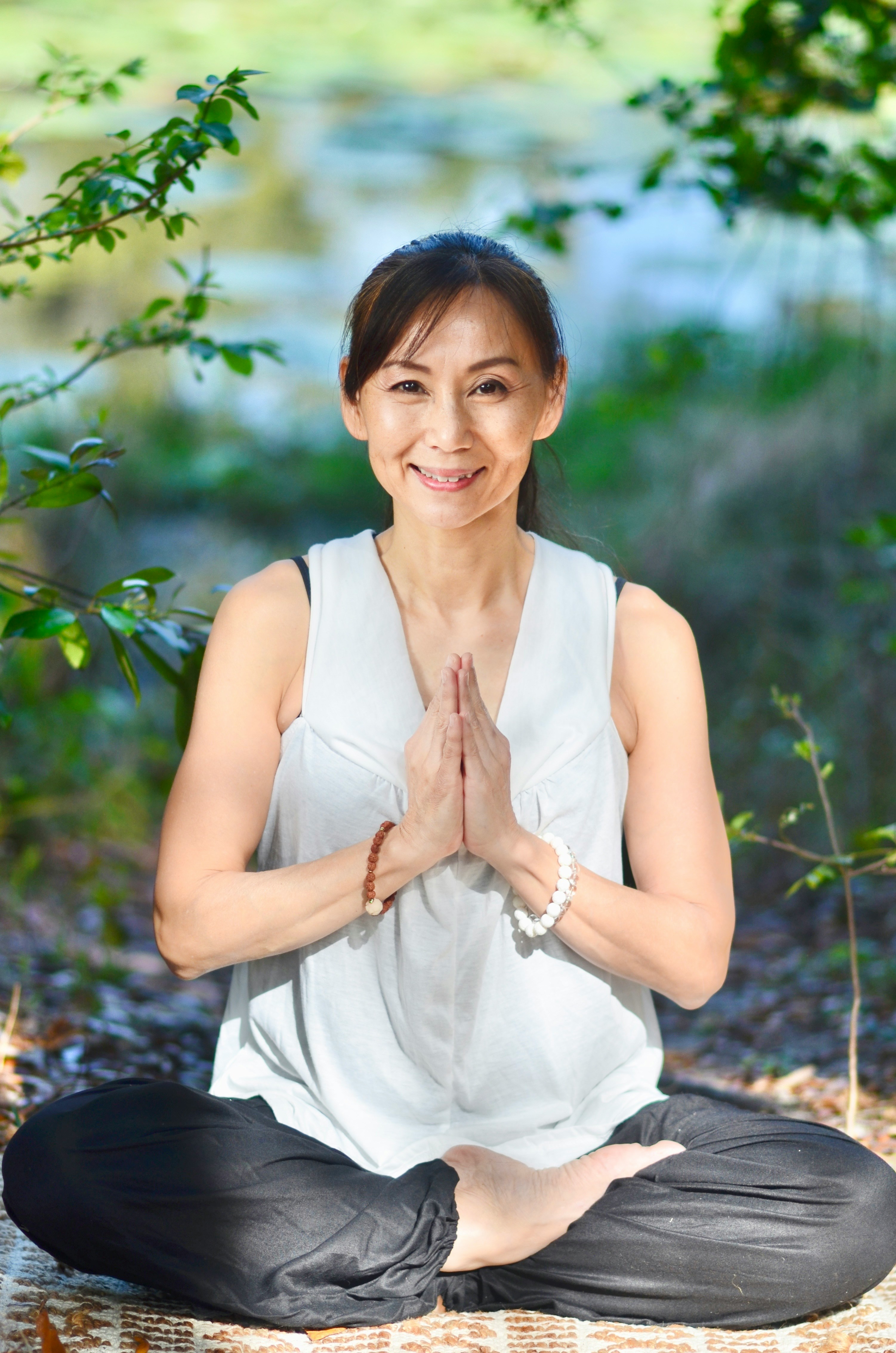
You have probably heard of qigong. It shows up in wellness articles, fitness studios, and health spaces. But beneath the surface, qigong is something straightforward: a practice that combines gentle movement, breath awareness, and focused attention to cultivate what practitioners call qi, or life energy.
This article gives you a grounded starting point. You will learn what qigong actually is, why breath and intention matter, three simple exercises you can do today, and how to build a practice that lasts.
When I first started, my mind would not stop racing. I kept worrying about whether I was doing it right, tensing up, overthinking every small detail. The first time I stood in Zhan Zhuang, my legs were shaking after two minutes. My teacher just looked at me and said, "Relax. Enjoy the moment." That was the real lesson. All that struggle was mind games. The practice itself was much simpler than I had made it.
What Is Qigong?
Qigong is an ancient Chinese practice dating back thousands of years. The word itself combines "qi," meaning energy or life force, and "gong," meaning skill or cultivated ability. In practice, qigong refers to exercises designed to circulate, balance, and strengthen this energy through the body.
Unlike high-intensity workouts, qigong is slow and internal. Many exercises involve standing postures, gentle swaying, and static holds. Some forms are almost motionless. You breathe and direct your attention, and that is the entire practice.
People practice qigong for different reasons. Some want more physical vitality. Others seek mental calm or relief from stress. Traditional Chinese medicine views qigong as a way to support the flow of energy through meridians, the same pathways targeted by acupuncture. Modern research has studied qigong's effects on stress, blood pressure, and immune function, with promising results in many areas.
The good news: qigong is accessible. You do not need special equipment, a flexible body, or years of experience. You can begin today, in your living room, in ten minutes.
The Foundation: Breath and Intention
Before learning any movement, it helps to understand the two pillars of qigong: breath and intention.
Breath is the primary tool for moving energy. In qigong, breathing is slow, deep, and natural. You breathe through the nose, drawing air into the lower belly rather than the chest. This diaphragmatic breathing activates the parasympathetic nervous system, the part of the body responsible for rest and recovery. Most people find that even a few minutes of slow belly breathing creates a noticeable sense of calm.
Intention refers to where you place your attention. In qigong, you direct awareness to specific areas of the body, imagine energy moving through pathways, or hold a quiet focus on a single idea. This is not complicated visualization. It is simple, quiet attention, noticing the warmth in your hands, for instance, or feeling the weight of your body through your feet.
These two elements work together. Breath supplies the physical mechanism; intention provides direction. When combined, they create the conditions for energy to move and settle. Even if you never learn a single movement, breathing with intention is itself a qigong practice.
Three Simple Exercises for Beginners
Here are three foundational exercises you can try right now. Start with just two to three minutes each. You can increase the duration as you feel comfortable.
1. Standing Meditation (Zhan Zhuang)
Stand with your feet shoulder-width apart, knees slightly bent, arms resting at your sides. Let your shoulders relax. Your chin is slightly tucked, gaze soft and forward. Do not rigidly hold this posture. Allow a slight, natural sway.
Breathe into your lower belly. With each exhale, let your body settle a little deeper. Feel your weight through the soles of your feet, rooted but not stiff.
This is surprisingly demanding. Standing still is harder than it sounds, and the practice quickly reveals tension you carry without knowing it. Even five minutes of standing can leave you feeling more grounded and present.
2. Opening the Chest (Ba Xiong)
From a standing position, inhale and raise your arms in front of you, palms facing down, as if holding a large ball. As you exhale, turn your palms upward and separate your hands to the sides, as if spreading the ball open. Inhale again and return your hands in front, palms down.
Move slowly. Coordinate each motion with your breath. Let your chest open on the outward movement, close on the return. Notice the sensation of space in your torso.
This exercise is gentle, but it works the chest, shoulders, and upper back while encouraging deep breathing. It is especially helpful if you spend hours at a desk or feel tension in your upper body.
3. Cloud Hands (Yun Shou)
Stand with feet shoulder-width apart. Begin shifting your weight slowly from side to side, letting your torso follow the movement. As you shift left, your left hand rises while your right hand lowers. The hands move as if balancing something delicate: a cloud, water, a leaf.
Keep your breathing smooth and continuous. Let the motion flow. There is no sharp beginning or end to each sway; the movement is continuous, like a gentle wave.
This exercise develops coordination, balance, and the ability to move with relaxed attention. It also has a meditative quality. The repetition soothes the mind.
How to Practice Consistently
Consistency matters more than duration. Ten minutes daily will serve you better than an hour once a week. Qigong is a cumulative practice; its benefits emerge through regular, patient repetition.
Choose a specific time and place. Early morning works well for many people, before the day's demands arrive. Others prefer evening, as a way to wind down. Even five minutes before bed can be meaningful.
Do not wait for motivation. Set a modest timer (five or ten minutes) and simply begin. You do not need to feel like practicing. You only need to show up. Over time, the practice settles into your routine, and familiarity becomes inclination.
Keep your sessions short at first. As the practice settles into your routine, you can extend the time. But there is no requirement. Some practitioners spend decades doing brief, daily sessions. The simplicity is part of the point.
Common Mistakes to Avoid
A few things trip up new practitioners. Avoiding these will save you time and frustration.
Trying too hard. Qigong is not about effort or intensity. If you feel strain, you are pushing. Relax. Reduce the range of motion. The practice should feel easeful, even if the muscles are working.
Holding the breath. Beginners often pause or hold their breath when concentrating on a new movement. Stay aware of your breathing. If it becomes irregular or held, slow down or simplify the movement.
Seeking immediate results. Qigong is subtle. You may not feel dramatic changes after the first session. This does not mean nothing is happening. The shifts are internal: in stress response, in sleep quality, in how you carry yourself through the day. Give it weeks, not days.
Comparing yourself to others. Everyone's body is different. Some people find certain movements natural; others do not. Focus on your own experience. There is no perfect form to achieve, only a process to inhabit.
Where to Go From Here
If you are curious about taking the next step, QiGuide offers guided sessions designed for people at the beginning of their qigong journey. The app walks you through each exercise with clear, unhurried instruction, making it easy to practice at home without wondering whether you are doing it right.
The most important thing you can do is begin. Not perfectly, not for long, but simply start.