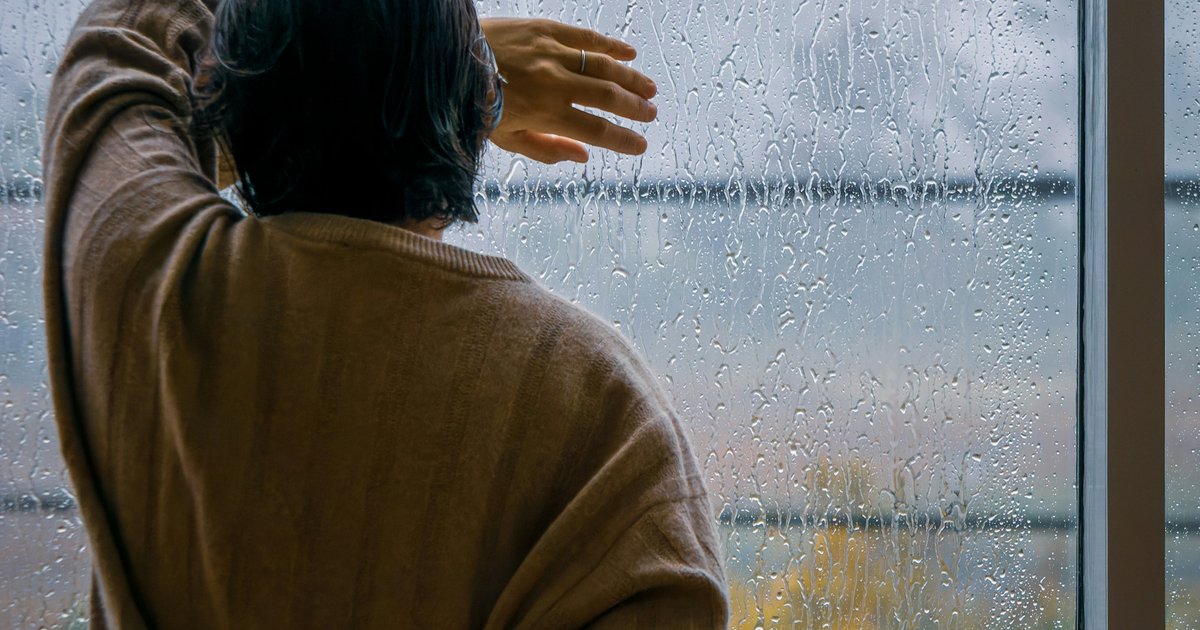
You have tried to relax. You have taken deep breaths, done the body scan apps, told yourself it will be fine. None of it worked. The problem is not your attitude. Your nervous system is genuinely stuck.
Here is what happens. You go through a hard period, and after it passes, your body does not quite get the memo. The chest stays tight. The breath stays shallow. Your shoulders sit up around your ears like they are waiting for the next thing to go wrong. This is not weakness or bad habits. This is a nervous system locked in a chronic stress response.
Your body accumulates stress in ways that go deeper than you might expect. If you want to understand why tension lingers long after the moment passes, this piece explains the mechanism. But the short version is: your nervous system is running the same threat loop it ran when the problem was real. And here is the part nobody tells you: trying harder to relax usually makes it worse. Your body reads the effort as another demand.
The parasympathetic nervous system is your rest and recovery system. When it is dominant, your heart rate drops, your breathing slows, your digestion improves. When stress takes over, the sympathetic system wins by default, and you end up in a state where your body is constantly scanning for threats even when none exist. The problem is that prolonged stress actually weakens your vagal tone, which is the measure of how quickly your nervous system can switch from stress to calm. Think of vagal tone like a muscle. Disuse weakens it over months and years of sustained stress, but specific breathing patterns can rebuild it. Extended exhale exercises are one of the most reliable ways to do this, which is why the practice section below is designed around that mechanism rather than just relaxation intentions.
Science is catching up with what Taoist practitioners understood centuries ago. They called it qi stagnation, and it maps closely to what we now call a chronically activated stress response. What practitioners understood was that the fix was not mental. It was physical. You do not think your way out of qi stagnation. You change the body's state through specific postures and breath.
Standing meditation, known as zhan zhuang, was not primarily a philosophy practice. It was a nervous system practice. Holding specific stances while breathing in particular ways gradually shifts the body from sympathetic dominance toward parasympathetic rest. If standing meditation is new to you, here is a simple place to start. The old texts do not use that language, but that is what they are describing.
I found this out the hard way. After a particularly demanding stretch of work and travel, I noticed I could not fully exhale. My chest felt like it was behind glass. I was not consciously anxious. My body had just decided, on some level, that the world was unsafe. The standing practice did not fix it by making me relaxed. It fixed it by giving my body somewhere to put its attention that was not threat-related. After a few weeks of five minutes a day, something settled. I cannot point to one moment. The tightness just stopped being the background noise of my life.
The good news is that a nervous system reset does not require a full practice session. It requires two things: an extended exhale, and gentle movement in the places where stress accumulates.
The 5-Minute Nervous System Reset
-
Stand with your feet hip-width apart, knees slightly soft. Let your hands rest wherever they naturally fall. Close your eyes if that feels comfortable, or soften your gaze toward the floor.
-
Breathe in through your nose for a count of four. Let your belly expand slightly rather than lifting your chest.
-
Breathe out through your nose for a count of six. Do not force it. The key is making the exhale longer than the inhale. This is the signal that tells your nervous system it is safe to settle.
-
As you exhale, drop your shoulders away from your ears. Let your jaw unclench. Soften your belly.
-
On the next breath, roll your shoulders forward three times, then backward three times. Let your body move the way it wants to, not the way it is supposed to.
-
After another few cycles of extended exhales, add a slow circle with your hips, three times one direction, three times the other. Let your spine twist without forcing it.
-
When you finish, stand for a moment with your hands at your sides. Notice what is different. Often people notice their hands feel warmer, or the background tension in their chest has eased slightly.
-
Do this for five minutes once or twice a day. You do not need to feel different immediately. The practice works partly because of the signal you send, not just because of what you feel in the moment.
After a few days of this, pay attention to whether your shoulders sit lower by default, or whether your exhale naturally goes deeper. That is your nervous system shifting gears. It is not relaxation as a project. It is giving your body the signal that the crisis, whatever it was, is over.
QiGuide offers guided nervous system practices you can use daily. The app includes gentle reminders and structured exercises designed to support this kind of reset, without the wellness speak. Your nervous system is not broken. It has just been running protection mode so long it forgot there is another setting. With the right signals, it remembers.
FAQ
Why does a longer exhale actually calm me down? The vagus nerve runs from your brainstem down through your chest to your abdomen. When you exhale slowly, it activates the parasympathetic branch of your nervous system, which is responsible for rest and recovery. A longer exhale is essentially sending a signal that the danger has passed. Research from the Cleveland Clinic notes that stimulating the vagus nerve through extended breathing exercises can lower heart rate and blood pressure and reduce the body's stress response.
How long before this kind of practice actually works? Some people notice a shift within the first few breaths. For a more lasting change in baseline tension, most practitioners report noticeable shifts within two to three weeks of consistent daily practice. The key word is consistent. A little every day shifts more than a long session once a week.
Is this the same as the body scan meditation everyone recommends? Body scan apps focus on directing attention through the body, which can be helpful. This practice differs because the emphasis is specifically on the exhale ratio and gentle movement, which directly activates the parasympathetic nervous system rather than relying solely on attention and relaxation intentions.